The old man and the bee


Soaproot flower popping open in the early evening.
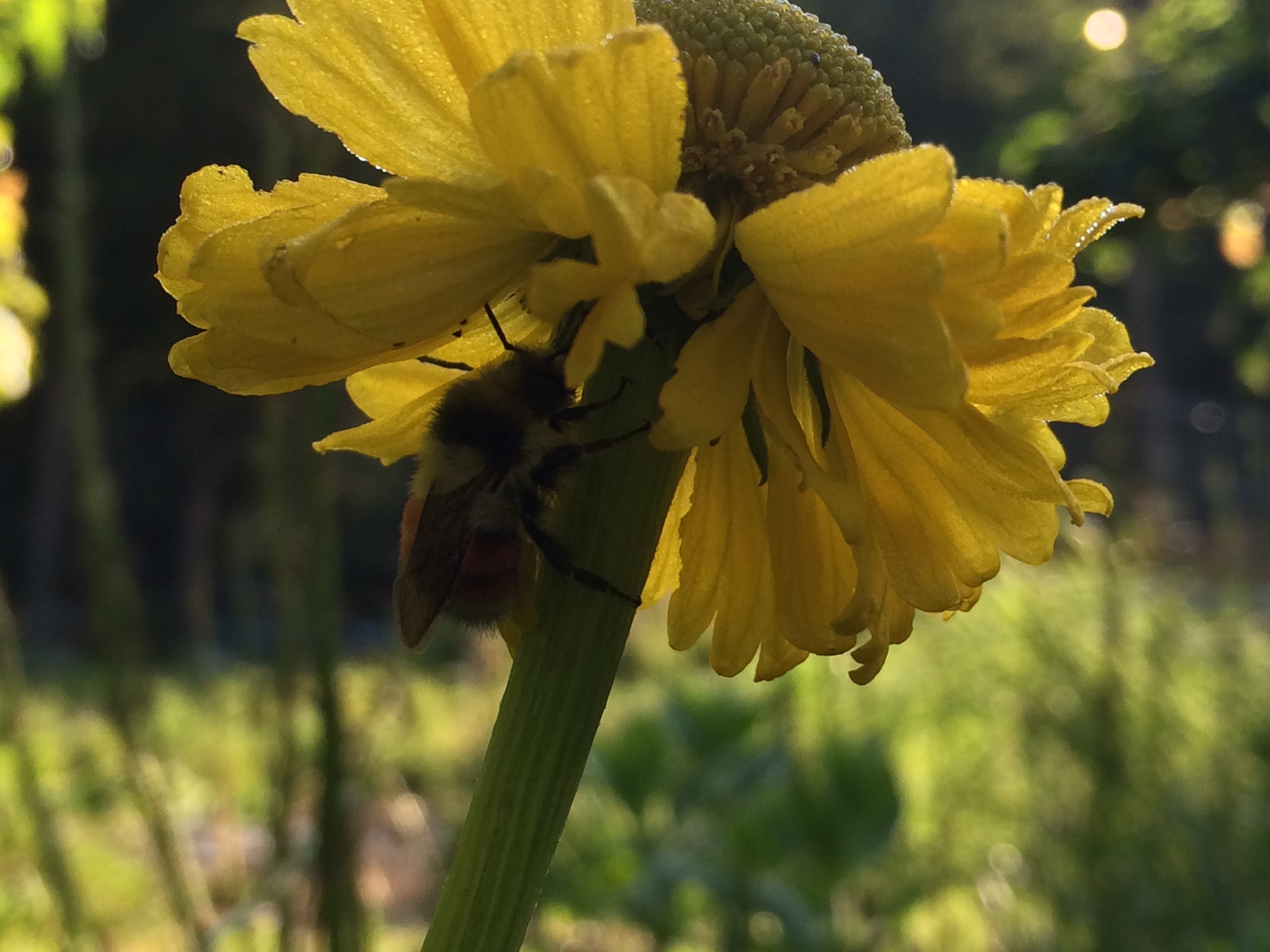
Soaproot grows from a large, elongated bulb covered in thick coarse fibers. The juices of the bulb contain natural saponins that can be used as a soap — hence the name. Native American tribes within its range used soaproot for soap, but they also used the fibers of the bulb for brushes. The Miwok people reportedly roasted and ate the bulb as a winter food, cooking out the inedible saponins. Other tribes may have eaten soaproot too, as well as used it for various medicinal uses. I can personally attest to the soapy qualities of soaproot — it does indeed make a fine soap! After flowering and setting seed, soaproot goes dormant for the remainder of the summer and fall, pushing up new leaves in early winter. Soaproot grows easily from seed, however, to reach the flowering stage it may take 3-5 years. The first few years the long, strap-like leaves will grow from the large, fibrous bulb, feeding the bulb for future flowers. Klamath-Siskiyou Native Seeds has seed of soaproot in stock now! Just shoot us an email if you want to give this useful and unusual native bulb a try in your garden or native plant project. [wpvideo QgYQV00M]Native bee pollinating soaproot flowers in the early evening.
 We have added many species to our inventory this fall! The quantity available varies from species to species, so if you want something in particular, order soon so it doesn’t sell out. Some species have already sold out before they could be added to our inventory because of early-bird customers who contacted us with specific interests. Don’t see something you want on the list? Email us and let us know what you are interested in. We may have really small quantities that don’t make it on the list, or we can collect seed for you next year.
Our updated inventory includes the price per single packet of seeds for each species on the list. If you are interested in larger quantities just email us and let us know.
We have added many species to our inventory this fall! The quantity available varies from species to species, so if you want something in particular, order soon so it doesn’t sell out. Some species have already sold out before they could be added to our inventory because of early-bird customers who contacted us with specific interests. Don’t see something you want on the list? Email us and let us know what you are interested in. We may have really small quantities that don’t make it on the list, or we can collect seed for you next year.
Our updated inventory includes the price per single packet of seeds for each species on the list. If you are interested in larger quantities just email us and let us know.


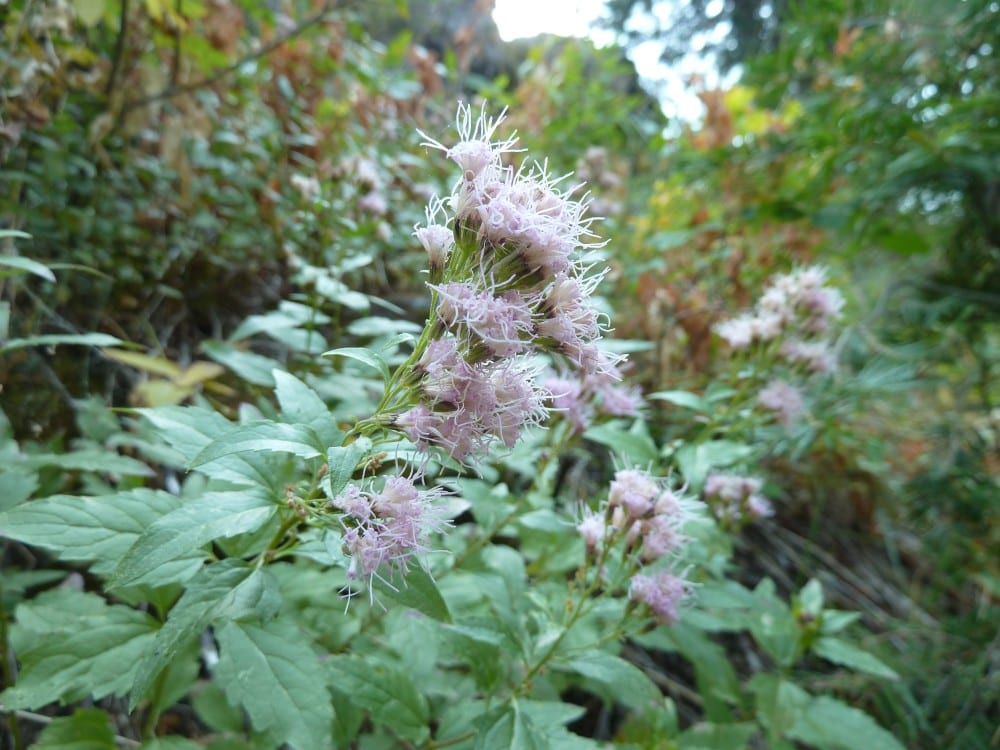

Red beardtongue (Keckiella corymbosa) flowering in early September along lower Canyon Creek near the Trinity Alps Wilderness.