Category: Uncategorized

Bigelow’s sneezeweed

Bigelow's sneezeweed (Helenium bigelovii)
A meadow of Bigelow’s sneezeweed (Helenium bigelovii)

Bigelow’s sneezeweed (Helenium bigelovii) is an easy-to-grow native plant for moist garden conditions in full sun.

Bigelow’s sneezweed is a fun, bright-yellow native wildflower that flowers in mid- to late-summer and is attractive to a wide variety of pollinators, including bees and butterflies. A common site in meadows, marshes and bogs, and along springs and streams at mid to high elevations in the Klamath-Siskiyou, Bigelow’s sneezeweed typically grows 2′-3′ tall with many flowering stalks. It prefers full sun but is tolerant of a wide variety of soil types as long as sufficient moisture is available.

Native to California and southwestern Oregon, Bigelow’s sneezeweed is a perennial wildflower that will add color and interest to your garden for many years. Bigelow’s sneezeweed is a common plant in high elevation moist meadows in the Klamath-Siskiyou mountains. It is a member of the aster (Asteraceae) family.

Bigelow’s sneezeweed is named after J.M. Bigelow, a plant collector on the United States and Mexican Boundary Survey in the 1850s. Don’t let the common name scare you! Despite the common name, sneezeweed, this wildflower is not allergenic. It was originally used by Native Americans as a snuff, hence the common name. Bigelow’s sneezeweed is very adaptable to the irrigated garden environment and flowers after dead-heading.

Continue reading

National Pollinator Week

Anise swallowtail butterfly

National Pollinator Week (June 18-24) is an important time to celebrate native pollinators and highlight the need for pollinator conservation for the benefit of intact native plant communities, ecological integrity and healthy ecosystems. Yes, pollinators are important for food and agriculture, but even more important, pollinators are the key to our natural world. Without pollinators, or even with diminished populations of pollinators, the makeup of plant life as we know it today would be drastically different. Pollinators sustain our ecosystems by helping plants reproduce. Pollinators are experiencing drastic declines throughout the world; many species have gone extinct and many more are in jeopardy. Everyone needs to do their part to help with pollinator conservation. Planting native plants is one of the best things you can do to help native pollinators. Make a commitment to GO NATIVE—GO WILD for National Pollinator Week!

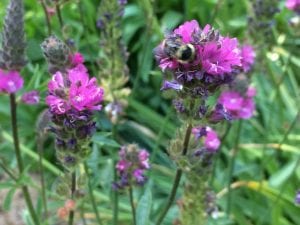
Bumble bee on Oregon checkermallow
Mating blue butterflies on native clover in the Trinity Alps Wilderness
Anise swallowtail caterpillar on California lomatium

From the Pollinator Partnership: “Somewhere between 75% and 95% of all flowering plants on the earth need help with pollination – they need pollinators. Pollinators provide pollination services to over 180,000 different plant species and more than 1200 crops. That means that 1 out of every three bites of food you eat is there because of pollinators. If we want to talk dollars and cents, pollinators add 217 billion dollars to the global economy. In addition to the food that we eat, pollinators support healthy ecosystems that clean the air, stabilize soils, protect from severe weather, and support other wildlife.”

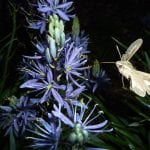
Fairy longhorn moths on tarweed
Bumble bee on Oregon checkermallow
Large camas (Camassia leichtlinii)
Bigelow's sneezeweed (Helenium bigelovii)
Bigelow’s sneezeweed (Helenium bigelovii)
Hastingsia alba-White rushlily

Springtime Native Seed Collection

common lomatium/spring gold (Lomatium utriculatum)

Many early-blooming wildflowers have already begun to set seed. Here at Klamath-Siskiyou Native Seeds we are already collecting seeds of species like common lomatium/spring gold (Lomatium utriculatum), hound’s tongue (Cynoglossum grande), and blow wives (Achyrachaena mollis). Over the next few weeks many more early-blooming species, such as silver bush lupine, will have ripe seeds ready for early-season seed collection.

Lupinus albifrons - Silver bush lupine
Silver bush lupine (Lupinus albifrons) seed will be ripening within the next two weeks

From our recent collection of blow wives seed we now have a new species to offer in our inventory. See the plant description for blow wives below and purchases seeds by clicking SHOP.

Achyrachaena mollis - Blow wives
Blow wives (Achyrachaena mollis) flowers

Blow wives (Achyrachaena mollis)

One of the earliest wildflowers to bloom and set seed in the spring, blow wives are an integral part of low-elevation grasslands, sunny slopes and oak woodland habitat in the Klamath-Siskiyou region. Blow wives is the only plant in the genus Achyrachaena. It is an annual wildflower that blooms in April to early May and grows from 6″-1.3′ tall. Blow wives grows in sunny locations that dry out in the summer. It is a very drought tolerant species. The actual flowers are small and yellow and not very noticeable underneath the white scales (disk achenes) that are attached to the fruit that aid wind dispersal of the seed. The seeds develop quickly, opening into an attractive display that is sometimes mistaken for the flower itself. Blow wives are unusual in this regard, as they can be easily overlooked when in flower, but hard to miss when in seed. Blow wives do well in various soil types, including serpentine and clay. The name blow wives is used both singular and plural.

Blow Wives Seed Germination Instructions

No pretreatment necessary. Best germination will be achieved if planted outside in fall through early winter.

Achyrachaena mollis - Blow wives
Blow wives (Achyrachaena mollis) flowers and seed heads

2018 Native Plant Appreciation Week

Happy Earth Day!

2018 Oregon Native Plant Appreciation Week


Earth Day marks the end of California Native Plant Week and the beginning of Oregon Native Plant Appreciation Week, April 22-28, 2018. This week is for celebrating natural beauty while promoting a greater appreciation and knowledge of our local native plants, in order to highlight the importance of protecting and preserving these invaluable species.


Large camas (Camassia leichtlinii)

Large camas (Camassia leichtlinii)

Flowering now!

Large camas (Camassia leichtlinii) is a spring-flowering bulbous perennial wildflower that is beautiful enough for the most high-end ornamental garden, yet adaptable and ecologically important enough to be included in habitat restoration projects within its range. Purple, lavender, or blueish-purple, star-shaped flowers open sequentially (bottom to top) in an upright terminal raceme, on thick stems that reach 2.5′-3.5′ tall. 2′ long, strap-shaped leaves rise from the clumping bulbs and wither after flowering. A lover of moist conditions, especially winter through late spring, large camas can dry out in the late summer months when the bulbs go dormant. In the wild, large camas is typically found growing in vernally moist meadows, grasslands, and on moist slopes or along rivers and streams. Tolerant of a wide variety of soil types, including clay, as long as there is adequate moisture in the spring. Camas provides valuable, early-season nectar and pollen for a variety of native pollinators. Camas was a staple food for many Native American tribes. The bulbs were harvested in the fall and either pit roasted or boiled and eaten, or dried and pounded into a flour.

Large camas (Camassia leichtlinii)

Klamath-Siskiyou Native Seeds has large camas (Camassia leichtlinii) seed available. Check out our online shopping cart today!

Native Seed Germination Chart

Western redbud (Cercis occidentalis)
Bigelow's sneezeweed (Helenium bigelovii)
Bigelow’s sneezeweed (Helenium bigelovii)
Silver lupine (Lupinus albifrons)
Oregon checkermallow (Sidalcea oregana)

Klamath-Siskiyou Native Seeds

Native Seed Germination Chart

(Click on the title to view and download the chart in Excel format.)


It can be difficult to find information regarding seed germination for native plant species. Through our own native plant propagation and growing experience, as well as long-term seed germination experimentation, we have developed a seed germination chart for species we often have in our inventory. This chart specifies the pretreatment needs for seed through cold-moist stratification (chilling requirements) or heat treatment, for natural or artificial seed germination, as well as recommendations for planting seed outside for natural seed germination. Germination rates can vary so your own personal experimentation is encouraged!

Common Name Botanical Name Seed Germination Instructions
Vine maple Acer circinatum 30-60 days warm-moist stratification followed by 90-120 days cold-moist stratification. Sow outside in fall.
Common yarrow Achillea millefolium No pretreatment required. Sow in fall or spring on or just below the soil surface. Needs warm soil and light to germinate.
Vanillaleaf Achlys triphylla 60 days cold-moist stratification. Sow outside in fall to late winter.
Columbia monkshood Aconitum columbianum 60 days cold-moist stratification. Sow outside in fall to late winter.
Horse mint Agastache urticifolia 30-60 days cold-moist stratification. Sow outside in fall to late winter.
Western joepiweed Ageratina occidentalis No pretreatment required. Sow outside in fall to early spring. Germination may be improved with 30 days cold stratification
California dandelion Agoseris grandiflora No pretreatment required. Sow outside in fall to early spring. Germination may be improved with 30 days cold stratification.
Tapertip onion Allium acuminatum 30-60 days cold-moist stratification. Sow outside in fall to late winter.
Pacific mountain onion Allium validum 60-90 days cold-moist stratification. Sow outside in fall to late winter.
Menzies’ fiddleneck Amsinckia menziesii 60 days cold-moist stratification. Sow outside in fall for best germination.
Sharptooth angelica Angelica arguta 60 days cold-moist stratification. Sow outside in fall to late winter.
Woodland madia Ansiocarpus madioides 30-60 days cold-moist stratification. Sow outside in fall to late winter.
Western columbine Aquilegia formosa 60 days cold-moist stratification. Sow outside in fall to late winter.
California spikenard Aralia californica 90-120 days cold-moist stratification. Sow outside in fall for best germination.
Goat’s beard Aruncus dioicus 30-60 days cold-moist stratification. Sow outside in fall to late winter. Plant on soil surface or lightly cover. Seed needs light to germinate.
Heartleaf milkweed Asclepias cordifolia 60 days cold-moist stratification. Sow outside in fall to early spring.
Narrowleaf milkweed Asclepias fascicularis 60 days cold-moist stratification. Sow outside in fall to early spring.
Showy milkweed Asclepias speciosa 60 days cold-moist stratification. Sow outside in fall to early spring.
California harebell Asyneuma prenanthoides 60 days cold-moist stratification. Sow in fall to late winter. Sow on soil surface or lightly cover. Seed needs light to germinate.
Deltoid balsamroot Balsamorhiza deltoidea 90 days cold-moist stratification. Sow outside in fall.
Tall Oregon grape Berberis (Mahonia) aquifolium 90 days cold-moist stratification. Sow outside in fall to late winter.
Cascade Oregon grape Berberis (Mahonia) nervosa 60 days cold-moist stratification. Sow in fall to late winter.
California brome Bromus carinatus No pretreatment required. Sow outside in fall to early spring.
Chinook brome Bromus laevipes No pretreatment required. Sow outside in fall.
Tolmie’s cats ear Calochortus tolmiei 30-60 days cold-moist stratification. Sow in fall to late winter.
Marsh marigold Caltha leptosepala 60-90 days cold-moist stratification. Sow in fall to late winter.
Large camas Camassia leichtlinii 60-90 days cold-moist stratification. Sow in fall to late winter.
Deer brush Ceanothus integerrimus Soak in hot (not boiling) water for 24 hours, then 60-90 days cold-moist stratification. Sow outside in fall to late winter.
Birch leaf mountain mahogany Cercocarpus betuloides 60 days cold-moist stratification. Sow outside in fall to late winter.
Soaproot Chlorogalum pomeridianum No pretreatment required. Sow outside in fall to early spring.
Fireweed Chamerion angustifolia 60 days cold-moist stratification. Sow outside in fall to late winter.
Western redbud Cercis occidentalis Soak in hot (not boiling) water for 24 hours, then 60-90 days cold-moist stratification. Sow outside in fall to late winter.
Western clematis Clematis ligusticifolia 30-60 days cold-moist stratification. Sow outside in fall to late winter.
Hound’s tongue Cynoglossum grande 30-60 days cold-moist stratification. Sow outside in fall to late winter.
Mountain larkspur Delphinium glaucum 90-120 days cold-moist stratification. Sow outside in fall.
Meadow larkspur Delphinium nuttallianum 90-120 days cold-moist stratification. Sow outside in fall.
Henderson’s shooting star Dodecatheon hendersonii 60-90 days cold-moist stratification. Sow outside in fall to late winter.
Squirreltail grass Elymus elymoides No pretreatment required. Sow outside in fall to early spring.
Blue wildrye Elymus glaucus No pretreatment required. Sow outside in fall to early spring.
Capitate sandwort Eremogone congesta 60-90 days cold-moist stratification. Sow outside in fall to late winter.
Tall wooly buckwheat Eriogonum elatum 60 days cold-moist stratification. Sow outside in fall to late winter.
Arrowleaf buckwheat Eriogonum compositum 60 days cold-moist stratification. Sow outside in fall to late winter.
Barestem buckwheat Eriogonum nudum 60 days cold-moist stratification. Sow outside in fall to late winter.
Sulphur flower buckwheat Eriogonum umbellatum 60 days cold-moist stratification. Sow outside in fall to late winter.
Oregon sunshine Eriophyllum lanatum 30 days cold-moist stratification. Sow outside in fall to late winter.
Henderson’s fawn lily Erythronium hendersonii 90 days cold-moist stratification. Sow outside in fall.
Scarlet monkey flower Erythranthe (Mimulus) cardinalis No pretreatment required. Sow outside in fall to early spring. Seeds need light to germinate, surface sow.
Yellow seep monkey flower Erythranthe (Mimulus) guttata No pretreatment required. Sow outside in fall to early spring. Seeds need light to germinate, surface sow.
California poppy Eschscholzia californica 30 days cold-moist stratification. Sow outside in fall or early spring.
Western goldentop Euthamia occidentalis No pretreatment required. Sow outside in fall to early spring.
California fescue Festuca californica 30 days cold-moist stratification. Sow outside in fall or early spring.
Roemer’s fescue Festuca roemeri 30 days cold-moist stratification. Sow outside in fall or early spring.
Cascara Frangula purshiana 60-90 days cold-moist stratification. Sow in fall to late winter.
Bluehead gilia Gilia capitata 30 days cold-moist stratification. Sow outside in fall.
White rushlily Hastingsia alba 60-90 days cold-moist stratification. Sow outside in fall to late winter.
Bigelow’s sneezweed Helenium bigelovii 30 days cold-moist stratification. Sow outside in fall to late winter.
Cowparsnip Heracleum maximum 120 days cold-moist stratification. Sow outside in fall.
Alum root Heuchera micrantha 60 days cold-moist stratification. Sow outside in fall. Seeds need light to germinate, surface sow.
Oceanspray Holodiscus discolor 90-120 days cold-moist stratification. Sow outside in fall.
Broad leaved lotus Hosackia crassifolia Soak in hot (not boiling) water for 24 hours, then 60-90 days cold-moist stratification. Sow in fall to late winter.
Scarlet gilia Ipomopsis aggregata 30 days cold-moist stratification. Sow outside in fall to early spring.
Red beardtongue Keckiella corymbosa 30 days cold-moist stratification. Sow outside in fall or early spring.
Bush beardtongue Keckiella lemmonii 30 days cold-moist stratification. Sow outside in fall or early spring.
Bolander’s tarweed Kyhosia bolanderi 30-60 days cold-moist stratification. Sow outside in fall to late winter.
Siskiyou lewisia Lewisia cotyledon 30-60 days cold-moist stratification. Sow outside in fall to late winter.
Blue wild flax Linum lewisii 30 days cold-moist stratification. Sow outside in fall or early spring.
California lomatium Lomatium californicum 60 days cold-moist stratification. Sow outside in fall to late winter.
Fernleaf biscuitroot Lomatium dissectum 60 days cold-moist stratification. Sow outside in fall.
Bigseed biscuitroot Lomatium macrocarpum 60 days cold-moist stratification. Sow outside in fall to late winter.
Nineleaf buscuitroot Lomatium triternatum 60 days cold-moist stratification. Sow outside in fall to late winter.
Common lomatium Lomatium utriculatum 60 days cold-moist stratification. Sow outside in fall to late winter.
Pink honeysuckle Lonicera hispidula 60-90 days cold-moist stratification. Sow outside in fall.
Sickelkeel lupine Lupinus albicaulis Soak in hot (not boiling) water for 24 hours, then 30 days cold-moist stratification. Sow outside in fall to early spring.
Silver bush lupine Lupinus albifrons No pretreatment required. Sow outside in fall to early spring.
Velvet lupine Lupinus leucophyllus Soak in hot (not boiling) water for 24 hours, then 30 days cold-moist stratification. Sow outside in fall to early spring.
Elegant tarweed Madia elegans No pretreatment required. Sow outside in fall to early spring.
Large false Soloman’s seal Maianthemum racemosum Seed takes two years to germinate. Sow outside in fall. 6 months cold-moist stratification, followed by 4 months warm-moist stratification, followed by another 5 months cold-moist stratification.
Giant blazingstar Mentzelia laevicaulis 60-90 days cold-moist stratification. Sow outside in fall.
Coyote mint Monardella odoratissima 30 days cold-moist stratification. Sow outside in fall to late winter.
Coyote tobacco Nicotiana attenuata No pretreatment required. Sow outside, or start in a greenhouse in spring.
Indian tobacco Nicotiana quadrivalvis No pretreatment required. Sow outside, or start in a greenhouse in spring.
False turtlehead Nothochelone nemorosa 60-90 days cold-moist stratification. Sow outside in fall.
Douglas’ grasswidow Olsynium douglasii 90-120 days cold-moist stratification. Sow outside in fall.
Siskiyou Mountains owl’s clover Orthocarpus cuspidatus 90 days cold-moist stratification. Sow outside in fall.
Indian warrior Pedicularis densiflora 30 days cold-moist stratification. Sow in fall. Hemiparasite, needs host plant to thrive. Parasitic on members of the heath family, such as manzanita or madrone.
Siskiyou penstemon Penstemon anguineus 60-90 days cold-moist stratification. Sow outside in fall to late winter.
Hot rock penstemon Penstemon deustus 60-90 days cold-moist stratification. Sow outside in fall to late winter.
Mountain blue penstemon Penstemon laetus 60-90 days cold-moist stratification. Sow outside in fall to late winter.
Small flowered penstemon Penstemon procerus 60-90 days cold-moist stratification. Sow outside in fall to late winter.
Western sweet coltsfoot Petasites frigidus No pretreatment required. Sow outside in fall to early spring.
Varilieaf phacelia Phacelia heterophylla 30 days cold-moist stratification. Sow outside in fall or early spring. Seeds need light to germinate, surface sow.
Tall phacelia Phacelia procera 30 days cold-moist stratification. Sow outside in fall. Seeds need light to germinate, surface sow.
Mock orange Philadelphus lewisii 90-120 days cold-moist stratification. Sow outside in fall.
Pacific ninebark Physocarpus capitatus 30 days cold-moist stratification. Sow outside in fall or early spring.
Hooker’s fairybells Prosartes hookeri 60-90 days cold-moist stratification. Sow outside in fall.
Chokecherry Prunus virginiana 90-120 days cold-moist stratification. Sow outside in fall.
Bitter cherry Prunus emarginata 90-120 days cold-moist stratification. Sow outside in fall.
Golden currant Ribes aureum 90 days cold-moist stratification. Sow outside in fall.
Wax currant Ribes cereum 90-120 days cold-moist stratification. Sow outside in fall.
Sierra gooseberry Ribes roezlii 90-120 days cold-moist stratification. Sow outside in fall.
Sticky currant Ribes viscosissimum 90 days cold-moist stratification. Sow outside in fall.
Thimbleberry Rubus parviflorus 30 days cold-moist stratification. Sow outside in fall or early spring.
Waxy coneflower Rudbeckia glaucescens 30 days cold-moist stratification. Sow outside in fall or early spring.
Western coneflower Rudbeckia occidentalis 30 days cold-moist stratification. Sow outside in fall or early spring.
Blue elderberry Sambucus nigra spp. caerulea 60-90 days cold-moist stratification. Sow outside in fall.
Pacific blacksnakeroot Sanicula crassicaulis 30-60 days cold-moist stratification. Sow outside in fall or early spring.
Lambstongue ragwort Senecio integerrimus 30-60 days cold-moist stratification. Sow outside in fall to late winter.
Arrowleaf ragwort Senecio triangularis 30-60 days cold-moist stratification. Sow outside in fall or early spring.
Oregon checkermallow Sidalcea oregana 60-90 days cold-moist stratification. Sow outside in fall.
Bell catchfly Silene campanulata 30-60 days cold-moist stratification. Sow outside in fall to late winter.
West coast Canada goldenrod Solidago elongata No pretreatment required. Sow outside in fall to early spring.
Western mountain ash Sorbus scopulina 90-120 days cold-moist stratification. Sow outside in fall.
Douglas’ spiraea Spiraea douglasii 30-60 days cold-moist stratification. Sow outside in fall to late winter.
Subalpine spiraea Spiraea splendens 30-60 days cold-moist stratification. Sow outside in fall to late winter.
Lemmon’s needlegrass Stipa lemmonii 90 days cold-moist stratification. Sow outside in fall.
Claspleaf twistedstalk Streptopus amplexifolius Seed takes two years to germinate. Sow outside in fall. 6 months cold-moist stratification, followed by 4 months warm-moist stratification, followed by another 5 months cold-moist stratification.
Leafybract aster Symphyotrichum foliaceum No pretreatment required. Sow outside in fall to early spring.
Fringe cups Tellima grandiflora 30 days cold-moist stratification. Sow outside in fall or early spring.
Western false asphodel Triantha occidentalis 60-90 days cold-moist stratification. Sow outside in fall.
Vinegarweed Trichostema lanceolatum 60-90 days cold-moist stratification. Sow in fall to late winter.
California false hellebore Veratrum californicum 30-60 days warm-moist stratification followed by 90-120 days cold-moist stratification. Sow outside in early fall.
Western verbena Verbena lasiostachys 30-60 days cold-moist stratification. Sow outside in fall or early spring.
American vetch Vicia americana No pretreatment required. Sow outside in fall to early spring.
Narrowleaf mule’s ears Wyethia angustifolia 90 days cold-moist stratification. Sow outside in fall.
Beargrass Xerophyllum tenax 90-120 days cold-moist stratification. Sow outside in fall.


Community Seed Swap

Ashland Community Seed Swap March 2018

Klamath-Siskiyou Native Seeds is happy to sponsor the 2018 Community Seed Swap in Ashland, OR coming up on March 31st. We will be there as a vendor selling native plant seeds! See you there!

GROW NATIVE—GROW WILD